Armor Set
 面
面
 Kote
Kote
 胴
胴
 垂
垂
 Dogi
Dogi
 袴
袴
 bamboo sword
 wooden sword
 armor bag
 Bamboo sword bag
 Small items
 gift
gift
 Books/DVDs
 cleaning
 Armor repair
 Kendo mask
 Iaido
Iaido
 Japanese swords and art swords
 Mitsuboshi
 Tozando
 Matsukan
 Japan Kendo Equipment Factory
 West Japan Martial Arts Equipment
 Glory Martial Arts Equipment
 Nobutake
 Busougi
 Hakataya
 Shokodo
 Flag Ito
 メールお問い合わせ
 LINEお問い合わせ


 Value Set
 Armor Set
 面
面
 Kote
Kote
 胴
胴
 垂
垂
 Dogi
Dogi
 袴
袴
 bamboo sword
 wooden sword
 armor bag
 Bamboo sword bag
 Small items
 gift
gift
 Books/DVDs
 cleaning
 Armor repair
 Kendo mask
 Outlet
 Iaido
Iaido
 Japanese swords and art swords
 Mitsuboshi
 Tozando
 Matsukan
 Japan Kendo Equipment Factory
 West Japan Martial Arts Equipment
 Glory Martial Arts Equipment
 Nobutake
 Taiyo Industry
 Busougi
 Hakataya
 Shokodo
 Flag Ito
 Interviews Useful Articles
 Size Measurement Guide
 User Guide
 GLOBAL SHIPPING GUIDANCE
 Frequently Asked Questions Q&A
 Company Profile

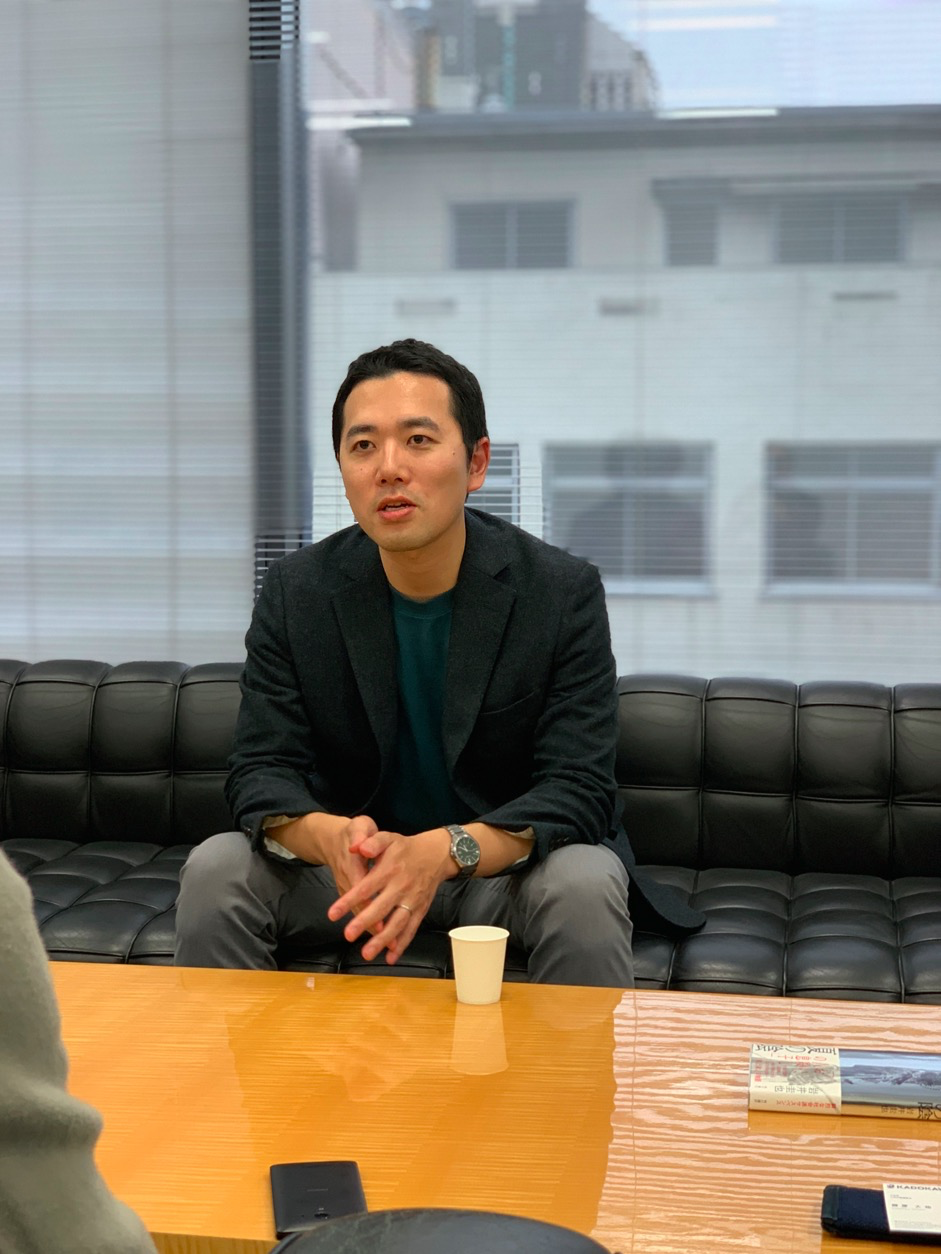
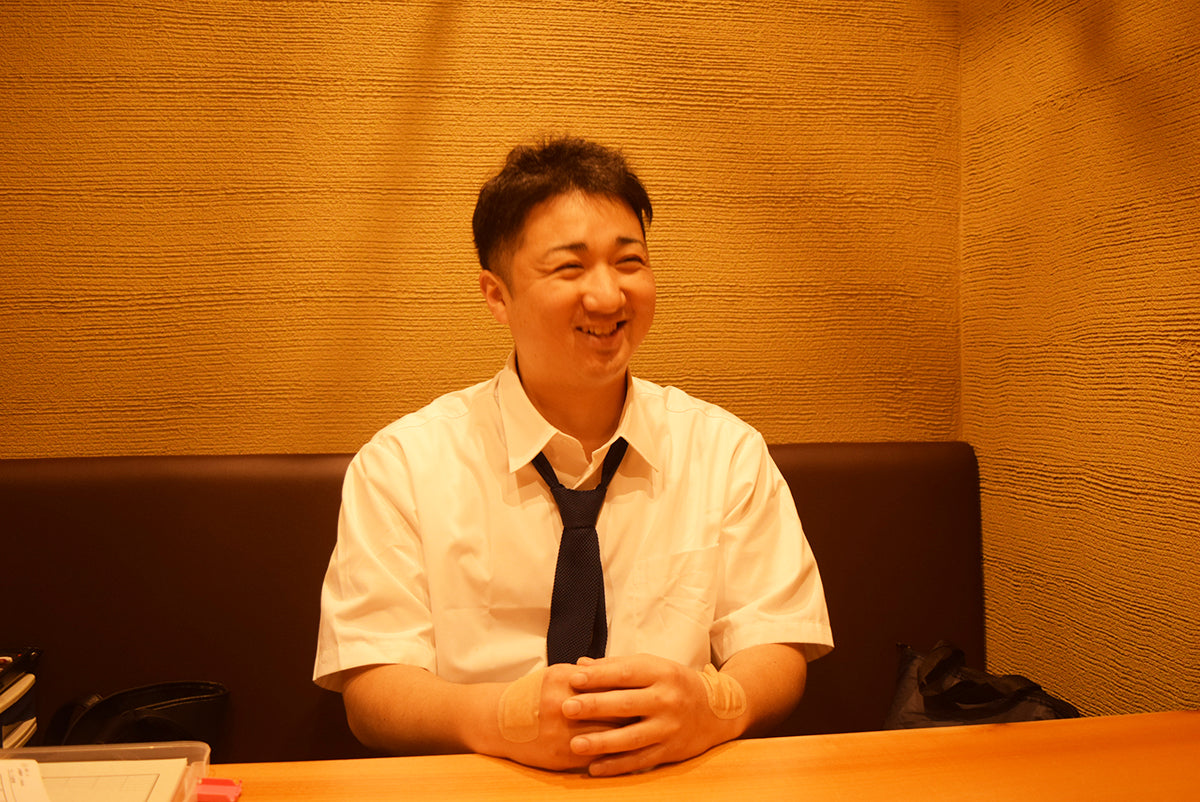
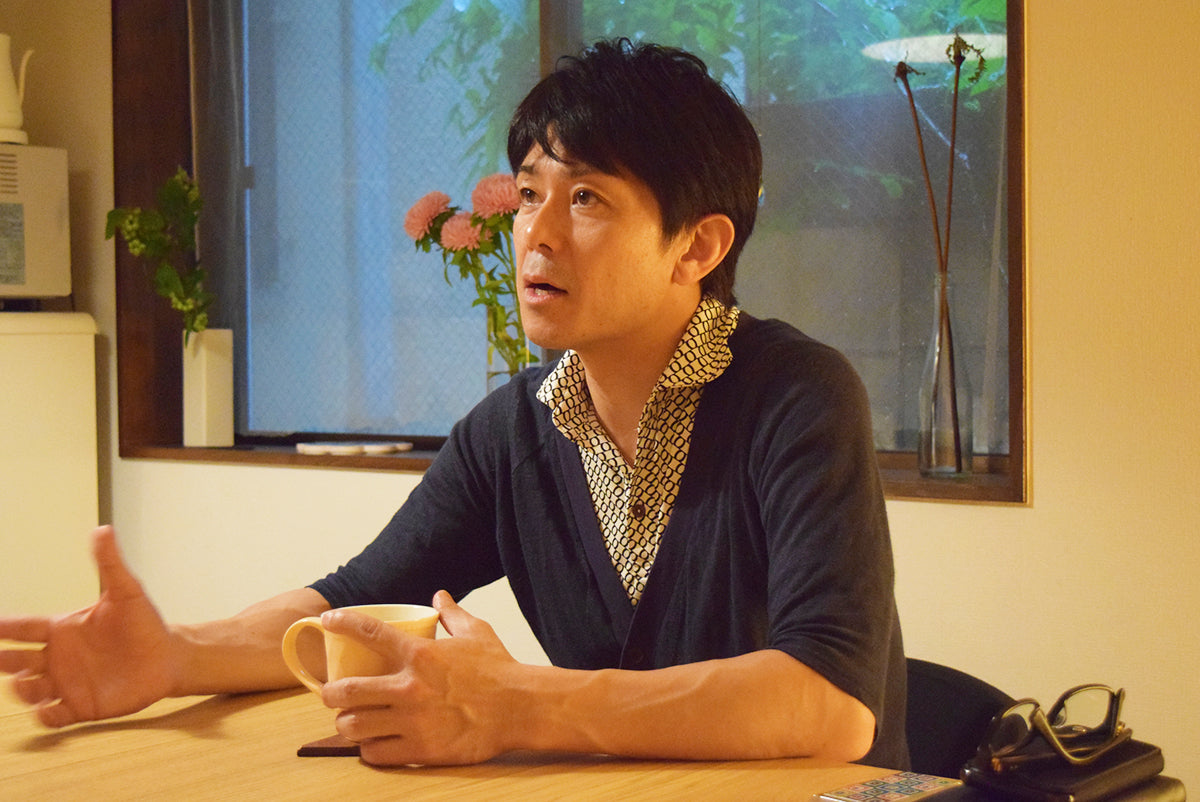
Makita Sports is a popular talent who made headlines when he declared himself a free agent from his agency, Office Kitano. We were able to speak with him just as he was declaring his status as a free agent.
He spoke at length about the appeal of kendo from the perspective of a performer.

profile
Makita Sports
Musician, actor and comedian.
He advocates "Otoneta," a fusion of "music" and "laughter," and actively performs live shows all over the country.
Following his excellent performance in the 2012 film "Kuyaku Ressha" directed by Yamashita Nobuhiro, he won the Newcomer Award at the 55th Blue Ribbon Awards and the Newcomer Award at the 22nd Tokyo Sports Film Awards, attracting attention as an actor.
He is a frequent writer of columns and critiques, bringing his unique perspective to his works, including "The Age of One Hundred Million Tsukkomi," "Anarchy in the Cute Kids," and "All J-POP is a Copy." His perspective is also directed towards his passion for food, leading to the creation of "10-Minute Donbei." In 2016, he published his first novel, "Thirty Years of Hiding," in Bungakukai magazine.
What made you start kendo?
Makita Sports: "My parents ran a sporting goods store called Makita Sports. They didn't sell protective gear, but they did sell bamboo swords. There was no kendo dojo in the town where I lived, but people would come from the neighboring town to buy bamboo swords. As my mother served these people, she seemed to realize that kendo was a good educational tool. I was the naughty second son, so it seems she had quite a hard time with me (laughs)."
-Did you always want to try kendo?
Makita Sports: "I don't remember, but I think my parents asked me and I said I wanted to do it."
-Did you enjoy kendo?
Makita Sports: "Honestly, I didn't enjoy it at all at first. But when I was in sixth grade, it gradually started to become fun. I grew faster than other people, so I started to use my physique to my advantage and win matches."
-Once you start winning, it becomes fun!
Makita Sports: "On the other hand, I hated being a minority in elementary school. There were no kendo dojos in my town, and the most popular sport at the time was baseball. Even though I felt like I was getting stronger at kendo, it was suffocating not being able to share that with my friends. I felt lonely, and wondered why I was doing something so obscure."
During his student days, he was a candidate for the Yamanashi Prefectural National Athletic Meet.
-What was your time in junior high school like?
Makita Sports: " I won the individual championship at the county tournament, so I was awarded at my junior high school. It was the first time I felt recognized."
-That's amazing!
Makita Sports: "I did well in the prefectural tournament, but it was difficult to get a high ranking. I was recommended for high school by the athletics department and went on to Yamanashi Prefectural Hikawa High School. I did well in kendo and had good grades at school."
-How were your grades in high school?
Makita Sports : "When I was a freshman in high school, there was an individual competition for my grade at the prefectural tournament. I came in second place. It was the best result I've ever had in kendo. When I was a sophomore in high school, there was a national sports meet called "Kaiji National Sports Festival" held in my hometown, and I was selected as a training athlete for the national sports meet."
- He was the runner-up in the prefectural tournament and a training athlete for the National Sports Festival. That's an impressive achievement!
Makita Sports: "There I had a shocking encounter. At the time, Kofu Commercial High School was a strong school in Yamanashi Prefecture, and there was a player named Hara who was a year above me. When I met him, I was blown away in many ways. Of course there was a difference in skill, but I also felt that his attitude and way of thinking about kendo was completely different from mine. He was someone who was truly in the 'real world'..."
- Rather than the difference in skill, did you feel the difference was in mentality?
Makita Sports : "I was shocked to learn that there really were people who loved kendo more than I did and were pursuing the path. It made me realize that I wasn't serious about kendo. This feeling never went away for the three years of high school. I was feeling good after coming second in the prefectural tournament, but it was only for a moment that I became depressed."
-It must have been quite a shock...
Makita Sports: "I thought about quitting kendo, but I got into the school on a physical education recommendation, so I knew I would be looked down upon if I quit the kendo club. There was a member of the rugby club who quit rugby, but he spent his school life feeling awkward because he was looked down upon.
I started playing the guitar in my second year of junior high school, so I would have preferred to do that instead. I think that would make me more popular (laughs)."
-That's definitely true (laughs).
Makita Sports: "In high school, I was only able to attain a second-degree kendo rank. I had learned tricky kendo techniques in order to win matches, but this turned out to be my downfall. I tried kendo for the promotion exam, but the style of kendo didn't suit me, so I struggled. In the end, I wasn't able to attain a third-degree kendo rank."
-Did you quit kendo in college?
Makita Sports: "Yes. I really wanted to go to Tokyo, so I enrolled in a university there. I had always wanted to quit kendo, so to be honest, I was relieved."
Even in comedy, unity of spirit, sword, and body is necessary
Makita Sports: "After stepping away from kendo, I realized that kendo is a truly wonderful martial art. I feel that my kendo experience is useful in comedy as well."
-In what ways do you feel you are making the most of your time?
Makita Sports : "For example, there is a saying that ki-ken-tai-ichi (the unity of spirit, sword, and body). Even if you say men, if you hit the kote, it won't be a point. It's the same with comedy. Even if you can say a funny phrase, if you don't put your heart into it, it won't be funny ."
-That's a very easy-to-understand example.
Makita Sports: "There was a time when I liked watching boxing. In boxing, too, the important thing is the distance. Because it is a Western sport, there are lucky punches, but if you pay attention to how the distance is taken before throwing a punch, I think it is similar to kendo. You can tell that the match is decided before the punch lands. It is like the "waza-mae" in kendo.
Kendo is not a knockout sport, and it is not even a sport, but the important things about kendo can be applied to boxing. However, the mindset of professional sports such as boxing, where "it's okay as long as you win, the end result is all that matters," cannot be applied to kendo. This is what makes it interesting.
Kendo cultivates the "mentality" that is important in any competition or way of life. I wonder why I didn't realize that."
-That's a very meaningful statement. What's important in sports can't be translated into kendo.
Makita Sports: "Although I wanted to enter the entertainment world early, I made my debut at the late age of 28.
I loved comedy and music, so I wanted to try competing in the world I loved. However, when you compete only in what you love, like music or comedy, there's no room for excuses. There's no escape route. When you reach that point, you can't help but realize that you were wrong. You have no choice but to reflect on yourself. You are forced to face the things that you've been glossing over or pretending not to notice. Kendo should have taught me this a long time ago , but at the time I ignored it."
-In kendo, you have no choice but to confront yourself.
Makita Sports: "I tried kendo on a TV program, something I hadn't done in over 20 years. I competed against comedian Chan Kawai, but I was a bit overconfident. Based on my own experience as a comedian, I thought, 'Once the match starts, I'll be able to show my incredible strength.' However, when I held my bamboo sword for the first time in a while, I thought, 'My opponent is so far away.' I felt the distance. It made me realize that kendo is a martial art that tests courage and resolve ."
-You're right.
Makita Sports: " Humans have desires. They want to win, they don't want to get hit, they want to show off. All of those things backfired. I had no choice but to be passive and not attack. That choice is not good for kendo, and it's not good for a variety show.
If they don't fight, the show isn't interesting, and it's better for comedians to show their defeat. I learned from kendo that I need more training. I realized that kendo is all about the heart. There's no such thing as a knockout that ends in a happy ending. It's all about the heart. The person who gets hit knows this better ."
-All that matters is the heart. That's so true.
Makita Sports : "In the world of sports, judges sometimes make decisions based on scientific verification. That's not the case with kendo judges. The worst thing you can do is complain about being awarded an ippon when you didn't even hit the target. It's uncouth. When the referee's flag goes up, it means you had control over your opponent before you even struck. So kendo is a martial art where the process is evaluated rather than the result. I think the theme of kendo is to overcome weakness of the mind. In the end, you have no choice but to face yourself. I think kendo is a way, after all ."
-It's a road.
Makita Sports: "Even among martial arts, there are some that have become Olympic events and have become sports. Kendo is probably one of the few that still retains the element of being a way. I think it would be good to preserve martial arts like that. It's not something rational that everyone can agree on. How do you move, or not move, the mind that is twisting and turning? I don't know how to explain this. I think it's a difficult thing. I've only just realised that kendo was actually an incredible martial art. You can still do kendo even when you're older. In the end, it's all about which heart is stronger, so age doesn't matter."
I want to return to kendo someday.
-This may be the first time we've heard you explain the appeal of kendo so clearly. Do you still watch kendo?
Makita Sports : "I sometimes watch it on YouTube, but I haven't been able to watch it much recently. About 3 or 4 years ago, I went to watch the Kanto Student Kendo Tournament. I was deeply moved to see Nabeyama coaching at Tsukuba University. I'm the same age as him, and he was a superstar. I also saw him at the Inter-High School Championships, and the level was so different that I remember thinking, 'I've just seen something incredible.'"
-You're the same age as Professor Nabeyama!
Makita Sports: "We're the same age. I still have my protective gear, so I'd like to return to kendo someday."
It was very impressive to see how Makita Sports, a successful artist, expressed the charm of kendo. We wish Makita Sports continued success in his various fields. Thank you for today!
Related articles
Announcement from BUSHIZO

We will send you new articles, new product information, and special offers via email newsletter.
If you register as a new member, you will also receive 1,000 yen worth of points to use at BUSHIZO!
Registration will take just 3 minutes. If you would like to register, we would appreciate it if you would do so.