Armor Set
 面
面
 Kote
Kote
 胴
胴
 垂
垂
 Dogi
Dogi
 袴
袴
 bamboo sword
 wooden sword
 armor bag
 Bamboo sword bag
 Small items
 gift
gift
 Books/DVDs
 cleaning
 Armor repair
 Kendo mask
 Iaido
Iaido
 Japanese swords and art swords
 Mitsuboshi
 Tozando
 Matsukan
 Japan Kendo Equipment Factory
 West Japan Martial Arts Equipment
 Glory Martial Arts Equipment
 Nobutake
 Busougi
 Hakataya
 Shokodo
 Flag Ito
 メールお問い合わせ
 LINEお問い合わせ


 Value Set
 Armor Set
 面
面
 Kote
Kote
 胴
胴
 垂
垂
 Dogi
Dogi
 袴
袴
 bamboo sword
 wooden sword
 armor bag
 Bamboo sword bag
 Small items
 gift
gift
 Books/DVDs
 cleaning
 Armor repair
 Kendo mask
 Outlet
 Iaido
Iaido
 Japanese swords and art swords
 Mitsuboshi
 Tozando
 Matsukan
 Japan Kendo Equipment Factory
 West Japan Martial Arts Equipment
 Glory Martial Arts Equipment
 Nobutake
 Taiyo Industry
 Busougi
 Hakataya
 Shokodo
 Flag Ito
 Interviews Useful Articles
 Size Measurement Guide
 User Guide
 GLOBAL SHIPPING GUIDANCE
 Frequently Asked Questions Q&A
 Company Profile

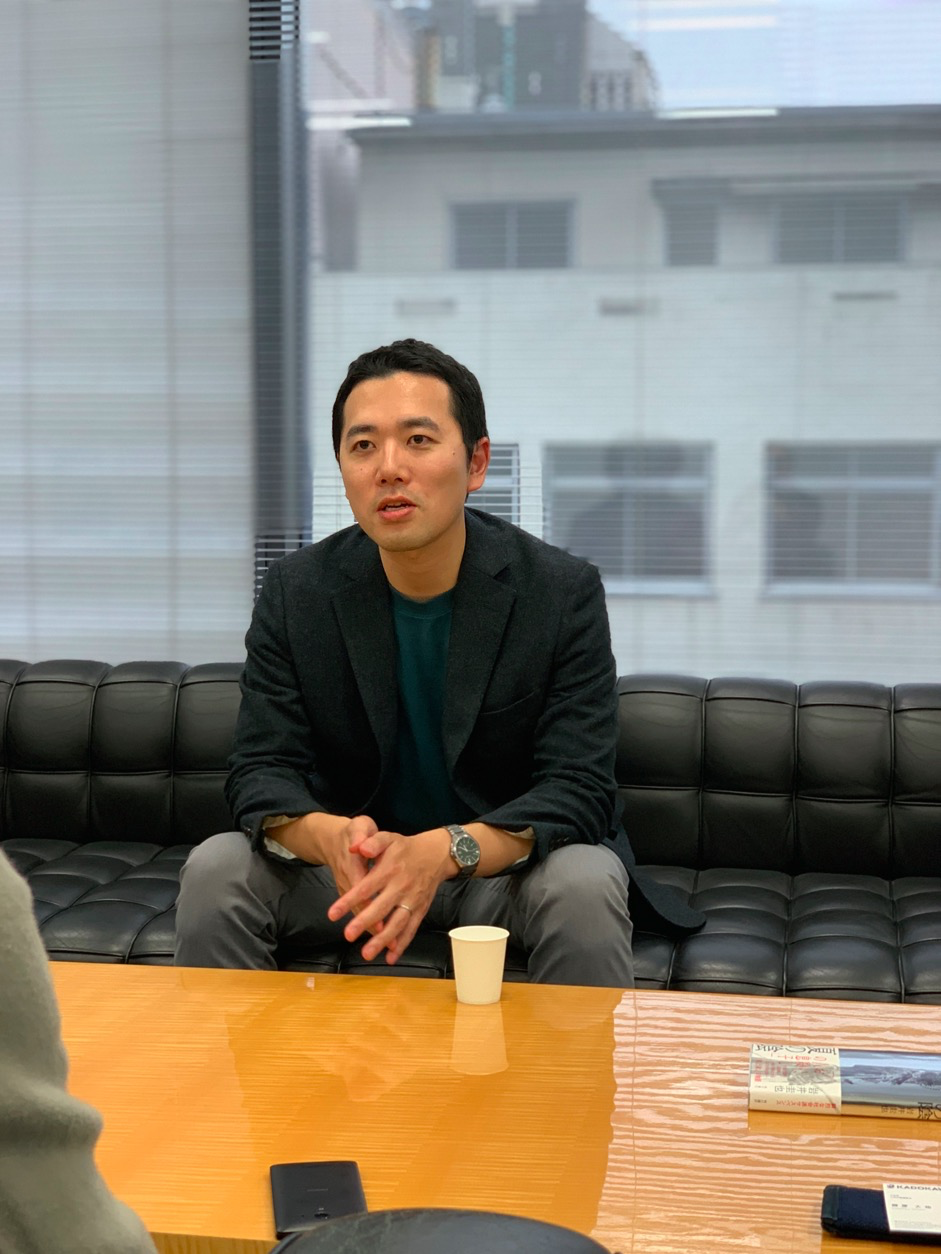
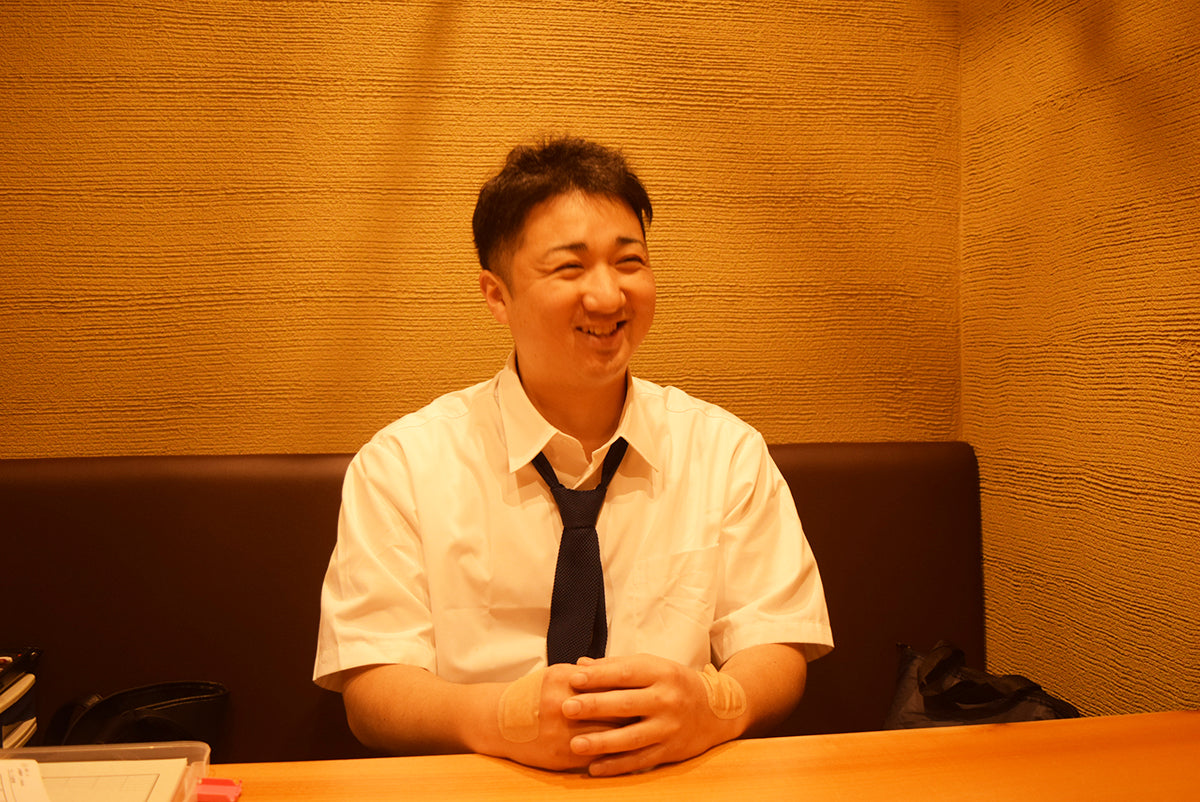
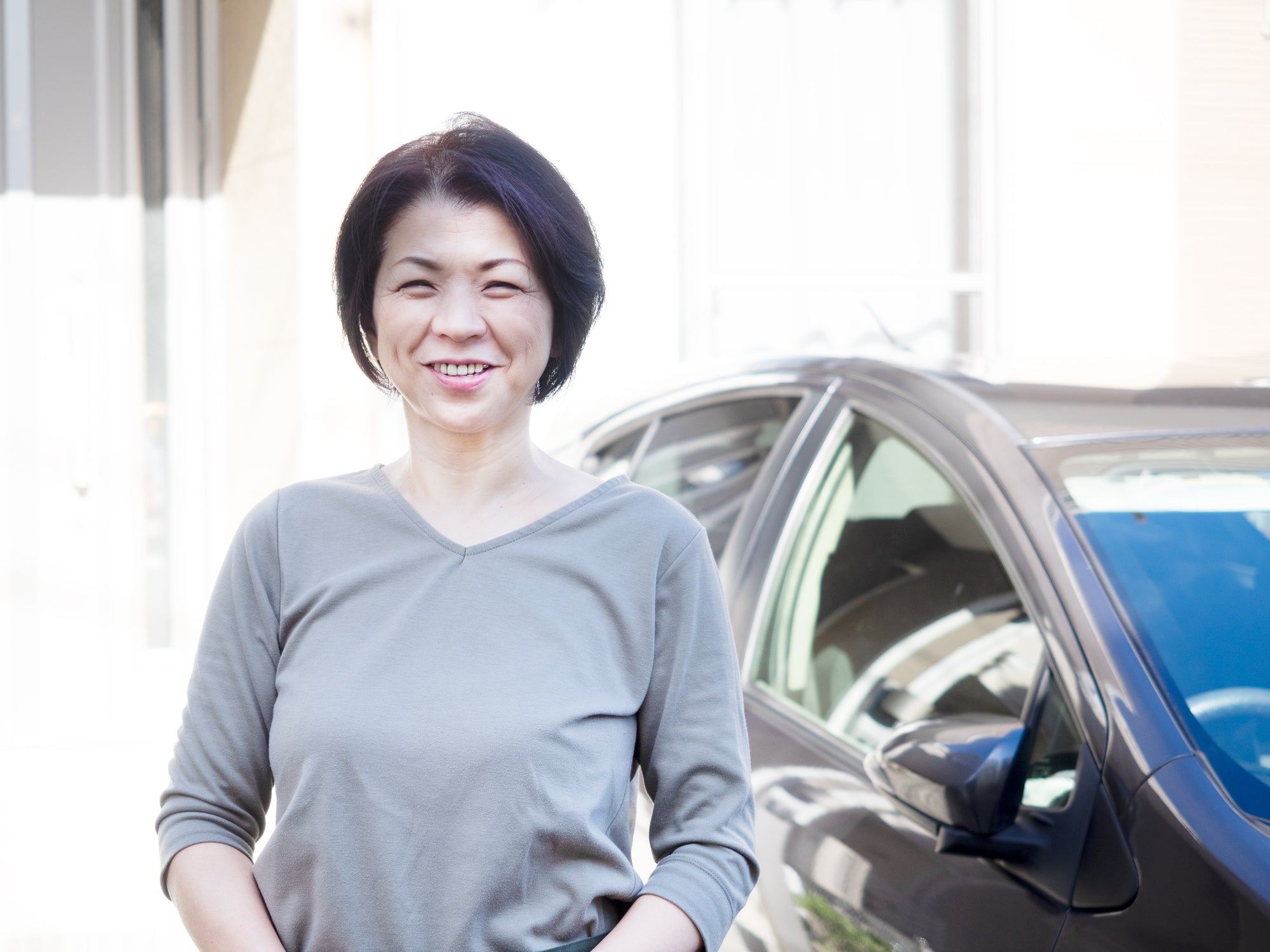
Makoto Otake, a familiar face on the TV program "Sukkiri," is actually a kendo enthusiast who practices kendo every week.
Despite having a gap in kendo, he has achieved great results, including coming in second place individually at the Shinagawa Ward Tournament.
This time, we were able to talk to her about what inspired her to start kendo and about her job as a reporter, which not many people usually know about!
Otake-san, who is still pursuing his dreams, has the same humble and pure attitude as Kenpu. It was an interview that made me feel his charming personality.
Interviewer and writer: BUSHIZO Kamijimago
Photography: BUSHIZO and Yusuke Kudo
profile
Makoto Otake
Born in Kanagawa Prefecture in 1971. Worked as a reporter on Nippon Television's "Look Look Konnichiwa," "Let's!", and "The! Information Expert," as well as TBS's "Let's Go! Lions." Currently works as a reporter on Nippon Television's "Sukkiri." Active in many fields, she also works as a host and narrator.
He started kendo in the first grade of elementary school and is currently a fourth-degree black belt. During high school, he made it to the top 16 in Kanagawa Prefecture, a prefecture filled with strong competitors. He practices every week and devotes himself to self-improvement.
ARM is BUSHIZO's first original protective gear. We asked Otake to provide the narration for the commercial we produced.
(The product is currently sold out and there are no plans to restock.)
What made you start kendo?
Otake : "At first, I played baseball. I would pass through a gymnasium on my way to the baseball field. I saw people practicing kendo there and became interested in it."
-Did seeing those people make you want to take up kendo?
Otake : "Yes, I also wanted to try kendo. The reason I started playing baseball in the first place was because I thought the uniforms were cool. As for kendo, I started because I thought the way kendo players stand was cool. It was a bit of a fad motivation (laughs)."
-I think it's natural for elementary school students to start with that kind of motivation (laughs).
Otake: "At first I continued with both, but the practice days overlapped, so I gradually switched to just kendo. That was when I was in the first grade of elementary school."
-So you started kendo at an early age!
Otake : "I practiced kendo with the Kendo Club, but I wanted to become stronger. So when I was in the fifth grade of elementary school, I started going to a different dojo. I always lost to people from the same dojo in the Yokohama ward tournament, so I thought that if I practiced at that dojo, I might become stronger."
-You were passionate about kendo, weren't you?
Otake : "I've always loved kendo. I can't get enough of the tension of a match. I still take part in matches. I recently took part in a tournament in Shinagawa Ward and came in second place, which made me very happy."
-It's amazing that you came in second place despite having been away from the competition for a while!
Otake : "When I was in high school, I practiced kendo every day. I practiced kendo all weekend too. I went to a prefectural high school, so I practiced hard with the slogan 'defeat private high schools.' Most of the high schools with strong kendo teams were private."
-How were your grades?
Otake : "In the team competition, we made it to the top 16 in the Kanagawa Prefectural Tournament.
I wanted to live a free campus life at university, so I left kendo. I would occasionally go to practice at my alma mater, but it wasn't an environment where I could practice regularly. During my university days, I just did kendo occasionally for fun."
-If you are completely immersed in kendo by the time you reach high school, you may experience a kind of burnout syndrome.
Otake : "Currently, I am working hard at kendo, but I think somewhere deep down I have regrets, thinking, 'I should have devoted myself to kendo a little more.'
The athletic club has a strong hierarchical structure. I had to take a year off to get into university, so I couldn't accept being in the same year as people one year younger than me, as it was too much for my pride. Looking back, I wish I hadn't been so hung up on that and just joined the athletic club."
What I learned from Kendo

Otake : "When I was a student, I was the captain of the kendo club. As a club captain, you need to have a bird's-eye view of the whole. The technical skills I gained from managing a club are useful in my current job.
Who is doing what and what the situation is? I can instantly judge these things and put them into action. I can think ahead about what is needed next. I can do it before the other person tells me to. I think I was able to acquire these skills by being the head of the kendo club."
-Do you find that experience useful when you're working as a reporter?
Otake : "Even when I'm reporting, I'm trying to grasp the situation on the scene while I'm talking. A lot of different things are happening at the same time, so I'm simulating the situation while grasping it. That way, I can deal with anything that comes up unexpectedly. It's similar to kendo. It's similar to the feeling of reading your opponent's movements in a kendo match ."
What prompted me to resume kendo?

Otake : "I had a kendo match with actor Masahiro Higashide on the TV show 'Sukkiri.' It was the first time I'd done kendo since graduating from university. It didn't go as well as I'd imagined, but my body moved reasonably well. Higashide was also strong in the upper level."
- It seems that Higashide was also very good at kendo! Is that what made you decide to start practicing kendo again?
Otake : What got me hooked was an audition for a TV show called "TEPPEN." It was an audition to choose someone to challenge Akimasa Haraguchi.
Before the audition, I had an unfounded sense of confidence. I had been practicing for about a week beforehand, so I thought my body would remember.
The audition was a ground practice session with a seventh-dan teacher. I did absolutely no good. I couldn't believe it myself. Naturally, I was rejected. That was very disappointing ."
-You must have been pretty depressed...
Otake : "I would like to take the TEPPEN auditions again the next time they hold one. It wasn't so much that I wanted to appear on TV, but rather that I wanted to be trained by the 7th dan teacher who had completely defeated me. That's when I started practicing kendo again in earnest. To be honest, I felt like I wanted to get back at him! (laughs)"
-I understand how you feel (laughs). What kind of kendo are you aiming for now?
Otake : "I'm aiming for a straightforward kendo, a kendo that will allow me to attain a rank.
It's been five years since I started practicing kendo again. I feel like I'm finally getting rid of the rust. In order to aim for a higher rank, I want to throw away the kendo I learned up until high school and approach kendo with the mindset of starting over from scratch."
Current job

Otake : I'm currently affiliated with an agency and mainly work as a reporter for TV programs. I also host events and TV shopping shows. I've been a reporter for over 20 years.
Originally, I wanted to be a narrator. Not a role where I would show my face, but a job where I would add my voice to video footage. Working in a role where I would show my face was not something I originally wanted to do.
-With Otake-san's handsome features, it seems a shame to rely on just his voice (laughs).
Otake : "The reason I started this job in the first place was because during my university days, many people kept telling me that I had a distinctive voice.
I was struggling with job hunting and didn't know what to do. I couldn't find anything I wanted to do. I thought about becoming a salaryman, but I realized that I wouldn't be able to continue unless it was something I loved.
At the time, I was taking an English conversation class, and my English teacher praised my voice, saying, "What a great voice you have" (laughs).
The teacher told me, 'You should get a job that makes use of your voice.' I'm easily persuaded, so from that point on, I began to seriously consider getting a job that makes use of my voice."
-Your English conversation teacher was your benefactor, so to speak! What was it about voice acting that appealed to you?
Otake : " For example, with radio, you can create a sense of a person's personality and worldview just with their voice. When narrating a documentary, the narration can completely change the impression of the footage. As I thought about these things, I gradually became interested in it ."
How can aspiring narrators get a chance to do so?
Otake : "I wanted to become a narrator, but I didn't know how. I thought English would be important, so after graduating from university I went to New Zealand for a year on a working holiday. After that I went to a vocational school and studied narration in earnest."
-So you learned specialized narration techniques at a vocational school.
Otake : "Even though I was attending a vocational school, I had no income so I continued working part-time.
After all, you can't get work unless you join an agency. I started to want to join an agency."
-How do I get into the office?
Otake : "I went to the audition, and by chance the agency that contacted me was an agency that brings together freelance announcers. For me, it was an important agency that contacted me for the first time, so I'm very grateful.
After that, I was contacted by voice acting agencies, but I decided to go with the first agency that contacted me, which is a group of freelance announcers."
-It seems like being an announcer could lead to work as a narrator.
Otake : " I thought that I might start out as an announcer, but that it would eventually bring me closer to the narration job that I wanted to pursue. From there, I started auditioning to be a reporter.
Surprisingly, I passed the exam quickly and started working as a reporter for information programs and a Seibu Lions support program."
-You didn't have any experience as a reporter at the time, did you?
Otake : "I suddenly became a reporter, but I didn't study to be a reporter at a vocational school. I learned everything on the job. There was no training period. I was an amateur and passed the audition.
I had never even done a camera rehearsal. It was tough being suddenly thrown into the scene. I was so nervous that I forgot my lines after taking three steps. However, I learned on the spot, so I guess I was able to absorb and grow quickly. "
-So in the end, being a reporter was a good fit for you.
Otake : "If a voice acting agency had first approached me, I probably would have gone with that. However, it would have been difficult to make a living solely as a voice actor. In the end, I'm glad I ended up with my current agency."
Future outlook

Otake : "Eventually, I would like to reduce my TV appearances and focus solely on narration work. I'm 47 now, but I still take recitation lessons. It's my dream to be able to make a living solely from narration."
-So you're chasing your dreams.
Otake : "There are so many different types of work that require voice, such as sports in information programs or commercials on the radio. I'd like to try my hand at various genres. There are some narrators who you can recognize just by their voice, like, 'That's that actor!' I'd be very happy if I could become that kind of person too. I want to be recognized by my voice, like, 'That's Otake from Sukkiri!' So I'd like to promote my face and voice on TV a little more."
summary
Even now, despite achieving success, you are still sincerely pursuing your dreams and are constantly conscious of growing. I thought this was a wonderful idea, as many people tend to become rigid as they get older.
It is rare to find a celebrity like Mr. Otake who still practices kendo, so I believe he will definitely have a positive influence on the kendo industry.
Thank you for taking the time to meet with me today!
Related articles