 Bogu set
 surface
 Hand
 Torso
 Tare
 Road
 Hakama
 bamboo sword
 Wooden sword
 armor bag
 Shinai bag
 Accessories
 Gift
 Books/DVDs
 cleaning
 Armor repair
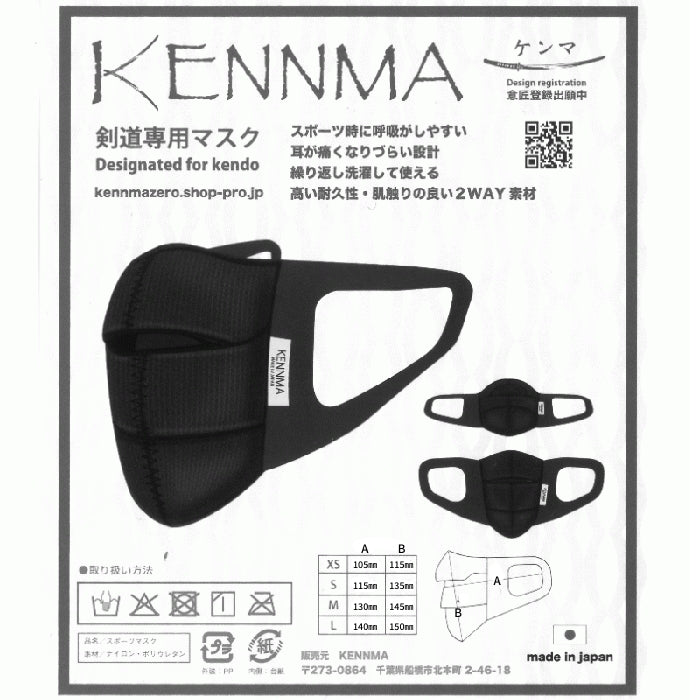 Kendo mask
 Outlet
 Iaido
 Japanese swords and art swords
 Mitsuboshi
 Tozando
 Matsukan
 Japan Kendo Equipment Factory
 西日本武道具
 Glory Martial Arts
 Nobutake
 Busougi
 Hakataya
 Shokodo
 Flag Ito
 Email inquiry
 LINE inquiry



 Value set
 Bogu set
 surface
 Hand
 Torso
 Tare
 Road
 Hakama
 bamboo sword
 Wooden sword
 armor bag
 Shinai bag
 Accessories
 Gift
 Books/DVDs
 cleaning
 Armor repair
 Kendo mask
 Outlet
 Iaido
 Japanese swords and art swords
 Mitsuboshi
 Tozando
 Matsukan
 Japan Kendo Equipment Factory
 西日本武道具
 Glory Martial Arts
 Nobutake
 Taiyo Industry
 Busougi
 Hakataya
 Shokodo
 Flag Ito
 Interviews Useful Articles
 Size Measurement Guide
 User Guide
 GLOBAL SHIPPING GUIDANCE
 Frequently Asked Questions Q&A
 Corporate Profile

[2026 Edition] A Complete Guide to Choosing a Kendo Armor Bag | Recommendations by Type and 4 Tips to Avoid Mistakes
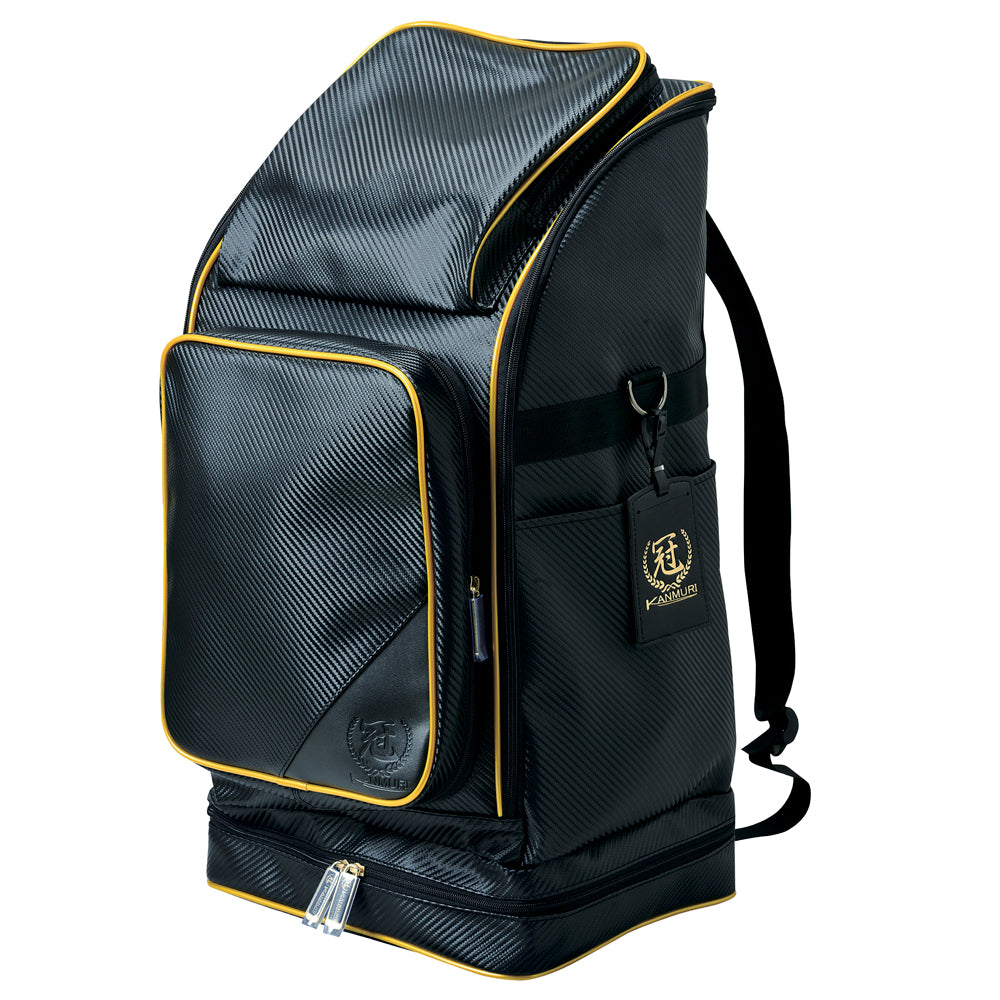
Armor bags are essential for kendo practice and matches. Previously, the most common style was a drawstring bag with a bamboo sword threaded through it, but nowadays, a variety of styles are available, including backpacks, carry-on bags, and Boston bags.
▶︎ See all BUSHIZO armor bags
However, there are so many different types that many people say, "I don't know which one to choose." In this article, we'll explain in detail four points to keep in mind when choosing an armor bag, as well as the characteristics of each type.
Basics of Armor Bags | Correct Storage Method
Before choosing an armor bag, let's first check the basic storage method. Storing your armor correctly will prevent it from losing its shape and make it fit better into the armor bag.
There is no right answer for what to pack for your armor, but the following methods are generally recommended.
Efficient armor storage procedures
- The do and tare are placed together in a set, with the do standing upright and placed at the back.
- Fold your judo uniform and hakama and place them in the bottom
- Place the face upside down in the empty space on the body.
- Store the kote on both sides of the men or inside the men
Some armor bags have a two-tiered structure or side pockets. Types that allow you to store your uniform and hakama separately from your armor are ideal for those who are concerned about sweat and odor.
The more famous a swordsman is, the more carefully he or she treats their armor. Putting away your armor carefully can be said to be the first step to improving your kendo skills.
Four important points to consider when choosing a protective gear bag

We will explain in detail the four points you should pay attention to when choosing an armor bag.
1. Capacity | Choose according to your purpose
The required capacity varies greatly depending on the purpose of use. Be clear about the purpose and choose based on how much luggage you will be putting in it.
Recommended capacity by use
- For daily practice and practice sessions: A complete set of protective gear plus a set of uniform and hakama is sufficient. A compact model is recommended.
- For matches and trips: Full set of armor + 2-3 uniforms + 1-2 hakama + accessories. A medium to large capacity model is best.
- For training camps (junior high and high school students): Full set of protective gear + 3-4 uniforms + 2 hakama + change of clothes, toiletries, etc. A large capacity model is essential.
Some large-capacity models can hold up to 20 judo uniforms. Models with many pockets are also convenient for storing small items such as bandages, tape, and writing implements.
2. Type (shape) | Choose by age and mode of transportation
There are six main types of armor bags, each with different features. Choose one based on the situation you will be using it in.
■ Backpack type

Feature:
The design leaves both hands free and distributes the weight evenly across both shoulders, making it less tiring to travel long distances.
Recommended for:
Elementary school to junior high school students, those who commute to the dojo by bicycle or on foot, and those who want to keep both hands free
merit:
- High safety and reduced risk of falls
- It can be carried on your back, making it easy to move around stairs and in narrow spaces.
- Many relatively lightweight models
- Reasonable price range (around 4,000 to 10,000 yen)
Demerit:
- It takes some effort to put on and take off the armor.
- Many models have limited capacity
■ Carry type (with casters)

Feature:
It can be rolled and carried, making it easy to move even heavy protective gear. It is popular among those who travel a lot or go on training camps.
Recommended for:
Those who use public transportation, those who travel frequently or go to training camps, and those who need to carry large amounts of luggage.
merit:
- It's lightweight and ideal for long distance travel
- Many models have large capacity, and can store several days' worth of judo uniforms and hakama.
- 3-way types (carry-on, backpack, handbag) are also popular
Demerit:
- The body is heavy (additional weight due to casters and handles)
- It's large and can get in the way in crowded places
- May not be usable on gravel roads or inside gymnasiums
- High price range (around 15,000 to 35,000 yen)
■ Four-wheeled carry-on type

Feature:
As an evolved version of the two-wheeled carrier, this type can be moved in all directions with four casters. It is highly stable and designed to be easy to maneuver even in tight spaces.
Recommended for:
Those who frequently travel in crowded places such as train stations and airports, and those who want more stable driving performance
merit:
- It can move in all directions, making it easy to handle in tight spaces.
- High stability and less likely to tip over
- Allows for smoother movement than a two-wheeled carrier
Demerit:
- The weight of the main body is slightly heavier than that of a two-wheeled carrier
- High price range (around 20,000 to 30,000 yen)
■ Boston style

Feature:
The sporty design is appealing. It is typically carried by hand, but there are also many models with shoulder straps.
Recommended for:
Junior high and high school students, people who travel by car frequently, and people who value design
merit:
- The opening is large, making it easy to put on and take off protective gear.
- Easy to secure capacity
- Many models come with side pockets, making them convenient for storing small items.
Demerit:
- It's easy to feel the weight when carrying it by hand or over one shoulder
- Not suitable for long distance walking
■ Tote type

Feature:
It doesn't have a strong sports feel to it, so it doesn't look out of place when worn with a uniform or suit.
Recommended for:
For adult kendo practitioners, those who need to balance their work and work lives, and those who prefer a subdued design
merit:
- Easy to put on and take off armor
- Stylish appearance
- Many types can be worn over the shoulder
Demerit:
- Capacity is somewhat limited
- It's easy to feel the weight
■ Shoulder type

Feature:
This is a standard type that can be carried over the shoulder. It is highly versatile and is the choice of many kendo practitioners.
Recommended for:
Junior and senior high school students, people who need to carry other luggage, and people who value versatility
merit:
- Large opening for easy organization
- Can be used as a shoulder bag or a handbag
- Easy to secure capacity
Demerit:
- Load on one shoulder
- I get tired easily when traveling for long periods of time
■ Drawstring type

Feature:
This is the old-fashioned type that tightens the top. It is simple and inexpensive.
Recommended for:
Those who want to keep costs down and prefer simple designs
merit:
- Low price (around 2,000 to 5,000 yen)
- lightweight
- Simple and easy to use
Demerit:
- Poor functionality
- Difficult to put on and take off armor
- Limited capacity
3. Weight | A lightweight model is ideal
Since armor itself is heavy, it is ideal for the armor bag to be as light as possible. Weight varies greatly depending on the material.
Weight characteristics by material
- Nylon: Lightweight and affordable. The most common material.
- Polyester: It is as light as nylon. Many models are water-repellent.
- Made of PVC (synthetic leather): Luxurious and durable, but a little heavy
- Genuine leather: It is the heaviest, but has a luxurious feel and excellent durability.
Carry-type scooters can weigh around 2-3 kg due to the wheels and handle mechanism, so it's important to choose one that suits how you'll carry it.
If you plan to carry it by hand or over your shoulder, choose a lightweight type (under 1.5 kg), but if you plan to travel long distances, choose a carry-on type to reduce the burden.
4. Price | Balancing use and budget
The price range for armor bags varies depending on the material and specifications. Since they are items that can be used for a long time, it is important to choose one that takes into account not only price but also purpose and ease of use.
| Type | Price guide |
|---|---|
| 巾着タイプ | Approximately 2,000 yen to 5,000 yen |
| Nylon shoulder bag/Boston bag/backpack | Approximately 4,000 yen to 10,000 yen |
| Large capacity backpack type | Approximately 15,000 yen to 25,000 yen |
| Tote/Carry-on type | Approximately 10,000 yen to 35,000 yen |
| Leather luxury model | 20,000 yen or more |
Recommended armor bags by age and level
The best type of armor bag will vary depending on your age and kendo experience.
Recommended for elementary school students
Recommended Type: Backpack type
This frees up both hands and reduces the risk of falling. Models with reflective material make it safe to move around in the evening. Choose a lightweight model that is easy to carry.
Recommended for junior high and high school students
Recommended Type: Shoulder bag, Boston bag, backpack
If you also need to carry a school-issued bag, a shoulder bag is convenient. If you travel frequently for club activities, a carry-on bag is also worth considering.
Recommended for university students and the general public
Recommended Type: Tote, carry, Boston style
If you need to use it for both business and leisure activities, we recommend a tote bag, and if you travel frequently, we recommend a carry-on bag. Make sure to balance design and functionality.
Popular brands and features
Matsukan Kogyo "KENDO Series"

This popular series was adopted by the Japanese and US national teams at the 2018 World Kendo Championships. Made with water-repellent artificial leather, it is highly durable. The carry-on and backpack types are especially popular.
Eiko Martial Arts Equipment "TONBO Series"

This model is characterized by its lightweight and durable construction. The bonded fabric prevents the jacket from losing its shape, and the mesh pockets and ventilation holes reduce stuffiness.
[Matsukan Kogyo] Omnidirectional Carry Armor Bag
Unusual Armor Bag
In addition to the typical kendo armor bags, the following items can also be used as substitutes.
Alternative to armor bags
- Suitcase: It is popular among professional fencers (especially women). It looks stylish and doesn't look like you're wearing protective gear. However, it can be difficult to use on stairs or while traveling by train.
- Outdoor brand bags: Coleman, THE NORTH FACE, mont-bell, etc. Highly durable and functional, they are ideal as a replacement for protective gear bags.
- Sports brand bags: Carry-on bags from brands like Umbro and Le Coq Sportif are popular among those who prefer a sporty look.
-
Original remake: For those who want to express their individuality, there are armor bags made from remade kendo uniforms and hakama, and types made from denim material.

When purchasing a protective gear bag, we recommend checking the following points beforehand.
-Whether or not wheeled armor bags can be used at dojos and gyms
・Does your armor fit? (Especially if you have large armor)
・Embroidery service availability and fees
・Warranty period and after-sales service details
Summary
Kendo armor is heavy, and even carrying it requires physical strength. However, by choosing the right armor bag, you can greatly reduce the burden.
When choosing a protective gear bag, keep the following four points in mind:
- Capacity: Choose according to the purpose of use (daily practice, matches, training camps)
- Type: Decide based on age, transportation method, and amount of luggage
- Weight: Choose the lightest model possible
- Price: Consider the balance between your budget and your needs
We hope you find the perfect armor bag that will make you look forward to going to practice or a match.
For advice on choosing a protective gear bag, please contact us.BUSHIZO Official LINEPlease feel free to come.▶ View the list of protective gear bagsGreat dealRegister as a member (1000 points awarded)Please also use it.