 Bogu set
 surface
 Hand
 Torso
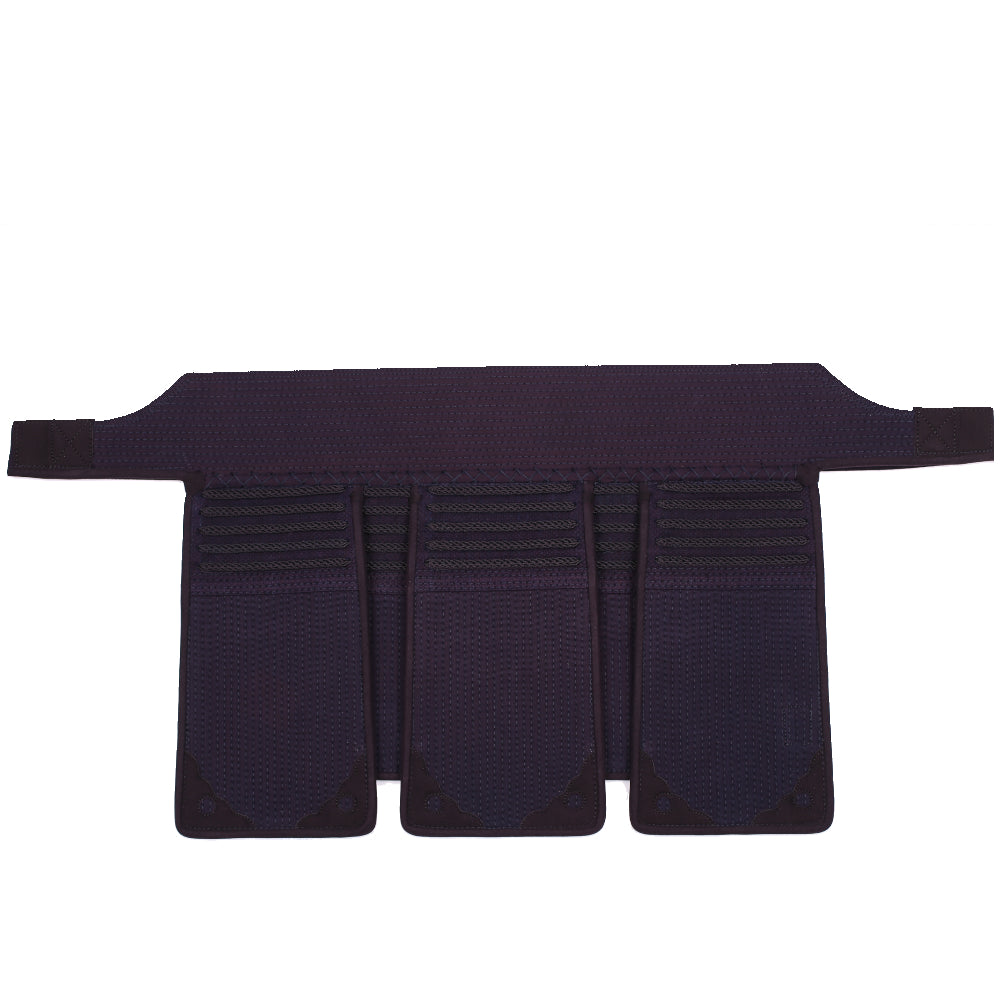 Tare
 Road
 Hakama
 bamboo sword
 Wooden sword
 armor bag
 Shinai bag
 Accessories
 Gift
 Books/DVDs
 cleaning
 Armor repair
 Kendo mask
 Outlet
 Iaido
 Japanese swords and art swords
 Mitsuboshi
 Tozando
 Matsukan
 Japan Kendo Equipment Factory
 西日本武道具
 Glory Martial Arts
 Nobutake
 Busougi
 Hakataya
 Shokodo
 Flag Ito
 Email inquiry
 LINE inquiry



 Value set
 Bogu set
 surface
 Hand
 Torso
 Tare
 Road
 Hakama
 bamboo sword
 Wooden sword
 armor bag
 Shinai bag
 Accessories
 Gift
 Books/DVDs
 cleaning
 Armor repair
 Kendo mask
 Outlet
 Iaido
 Japanese swords and art swords
 Mitsuboshi
 Tozando
 Matsukan
 Japan Kendo Equipment Factory
 西日本武道具
 Glory Martial Arts
 Nobutake
 Taiyo Industry
 Busougi
 Hakataya
 Shokodo
 Flag Ito
 Interviews Useful Articles
 Size Measurement Guide
 User Guide
 GLOBAL SHIPPING GUIDANCE
 Frequently Asked Questions Q&A
 Corporate Profile


table of contents
The need for cleaning
Benefits of cleaning
Price
Things to check before sending for cleaning
How to choose a restaurant
Cleaning processOption
Summary

The need for cleaning
 Nowadays, machine-washable gauntlets are available for sale, so many people wash their armor at home. Certainly, for inexpensive armor or armor worn daily for club activities and other activities that wear out quickly, washing armor at home saves money and the hassle of sending it to the dry cleaners. However, what about washing armor received from a loved one or high-quality armor? First of all, people worry about damage and deformation, so they probably won't use the washing machine. Even if they wash it by hand, they worry about whether all the dirt will be removed and whether it will fade or become damaged. The more important the armor, the more anxious they are about washing it themselves. However, having a dry cleaner remove these concerns can alleviate these worries. Professionals can provide advice on cleaning the armor based on its characteristics, adjusting the drying time to suit the material, and offering optional dyeing services in case of fading, all of which can be difficult for amateurs to judge. To keep your precious armor clean and comfortable, it's important to occasionally have it dry cleaned.
Benefits of cleaning
 Sweat itself is odorless, but if left unattended, it can mix with sebum and dirt, breeding bacteria and producing an unpleasant odor. Dry cleaning thoroughly removes the salt from sweat. Armor that has had the salt removed is clean and odor-free, and the cover becomes softer and feels different to the skin. Furthermore, once the weight of accumulated sweat is gone, the armor feels much lighter. Since the kote (hand guards) come into direct contact with the skin, you can feel the sliminess disappear, making it easier to wear. Washing at home may leave a slight feeling of freshness, but it's difficult to achieve such a significant effect. Those who think that dry cleaning is just about cleaning and removing odors will be pleasantly surprised. The appeal of dry cleaning is that it can improve the feel and durability of the armor itself.
Price
Below are the prices for general armor cleaning.- Face: 2 to 5 yen
- Kote (both hands)...2 to 4 yen
- Body...about 5 yen (few stores sell this)
- Dripping... 2 to 4 yen
Things to check before sending for cleaning
Before sending your armor for cleaning, check for any damage. Damage may mean they won't accept it. Dry cleaning shops run by armor makers often offer repairs along with cleaning, so it's a good idea to ask. The leather on the inside of the gauntlets, in particular, may shrink during cleaning. For this reason, it's a good idea to have it cleaned at the same time as repairs. Items in extremely poor condition may not be able to be cleaned due to leather deterioration, material, or tailoring. If you're concerned, call the dry cleaner before bringing or sending it in. Those who wear white armor should also be careful. After cleaning, fibers from the fabric inside the armor may come to the surface, causing uneven coloring (especially if the fibers are red, this can be particularly noticeable against a white background). Unlike regular indigo-dyed armor, it cannot be re-dyed, so some dry cleaners don't offer this service. If you're concerned about this, it's a good idea to consult with a dry cleaner.How to choose a restaurant
 In addition to specialized dry cleaning shops for armor, some major dry cleaning chains now also carry armor. However, it's important to note that general dry cleaning shops do not necessarily have craftsmen who specialize in cleaning armor. Armor is made from a variety of materials, including leather, metal, and cotton, and some materials are not very water-resistant. Naturally, exposing these materials to water for long periods of time will cause damage. If armor is not handled by someone who understands the characteristics of each material, the condition of the armor may deteriorate after being cleaned. If you are going to take the trouble of having it cleaned, we recommend leaving it to a shop with specialized craftsmen who understand the characteristics of armor.
Cleaning process
We will introduce the basic process for cleaning protective gear.- The author of The New York Times We assess the condition of each piece of armor, checking for any areas that are particularly dirty or damaged, and then decide whether or not it can be cleaned. If the condition is too bad, we may be turned away at this stage.
- Washing There are various types of cleaning methods, such as using microbubble cleaning to thoroughly remove dirt. Women often get foundation on the inside of their masks, which can lead to mold growth, but there are also detergents that can break down ingredients such as cosmetics. Dry cleaners are devised to clean their armor without damaging it.
- (I.e. Drying the armor too quickly will make it hard, while drying it too slowly will cause mold to grow. Controlling this delicate time is where the craftsman's skill is put to the test. There are also methods such as using far-infrared dryers to dry the armor from its core.
- Antibacterial Soaking your bogu in an antibacterial solution or using a coating agent can help keep it clean for a long time. Sometimes antibacterial treatment is applied during the cleaning process rather than the finishing stage. If antibacterial treatment is used, the item is dried again and the cleaning is complete.
Option

Summary
Cleaning your armor not only makes it cleaner, but also increases its durability and makes it fit your body better. In addition to reducing odors, it's also a good idea to give cleaning a try to ensure your armor lasts a long time. At BUSHIZO, an online store for kendo armor, we recommend professional armor cleaning services, "Kensen."
https://bushizo.com/media/201709/998/
https://bushizo.com/media/201708/951/
https://bushizo.com/media/201706/6/
> Visit the online select shop BUSHIZO