Armor Set
 面
面
 Kote
Kote
 胴
胴
 垂
垂
 Dogi
Dogi
 袴
袴
 bamboo sword
 wooden sword
 armor bag
 Bamboo sword bag
 Small items
 gift
gift
 Books/DVDs
 cleaning
 Armor repair
 Kendo mask
 Iaido
Iaido
 Japanese swords and art swords
 Mitsuboshi
 Tozando
 Matsukan
 Japan Kendo Equipment Factory
 West Japan Martial Arts Equipment
 Glory Martial Arts Equipment
 Nobutake
 Busougi
 Hakataya
 Shokodo
 Flag Ito
 メールお問い合わせ
 LINEお問い合わせ


 Value Set
 Armor Set
 面
面
 Kote
Kote
 胴
胴
 垂
垂
 Dogi
Dogi
 袴
袴
 bamboo sword
 wooden sword
 armor bag
 Bamboo sword bag
 Small items
 gift
gift
 Books/DVDs
 cleaning
 Armor repair
 Kendo mask
 Outlet
 Iaido
Iaido
 Japanese swords and art swords
 Mitsuboshi
 Tozando
 Matsukan
 Japan Kendo Equipment Factory
 West Japan Martial Arts Equipment
 Glory Martial Arts Equipment
 Nobutake
 Taiyo Industry
 Busougi
 Hakataya
 Shokodo
 Flag Ito
 Interviews Useful Articles
 Size Measurement Guide
 User Guide
 GLOBAL SHIPPING GUIDANCE
 Frequently Asked Questions Q&A
 Company Profile

Swordsmen, where do you keep the armor you use in your daily training?
Some people have a dedicated storage area at their school or dojo, while many others take their swords home after each practice.
However, when storing it at home, odor and humidity can be a concern.
Some people may think, "Maybe I can just put it in the trunk of my car..." but in fact, you need to be careful about this.
In this article, we will explain in detail how to store your kendo armor safely and for a long time , along with precautions to take when leaving your armor at home.
table of contents
- Basic points to note when wearing protective gear
- When placing protective gear at a school or dojo
- Odor prevention and breathability
- Tips for hanging clothes to dry
- Is it okay to store it in the trunk of your car?
- How to properly store and carry your Shinai
- To ensure the longevity of your precious kendo equipment
1. Basic points to note when wearing protective gear
Leaving protective gear lying around increases the risk of moisture, mold, and odors .
In particular, the men and kote gloves absorb a lot of sweat after practice, so if they are left sealed, they become prone to the growth of bacteria.
When storing it, be sure to keep in mind the following points: ventilation, temperature, and direct sunlight.
2. Keeping protective gear at schools and dojos
It is very convenient to have an environment where protective gear can be stored at schools and dojos, but
The lifespan of protective gear will vary depending on the storage environment .
Place in a well-ventilated shaded area
Armor is sensitive to direct sunlight, which can cause it to fade and harden due to drying.
On the other hand, mold grows in humid places, so a well-ventilated, shady place is best.
Don't leave your gear in your armor bag, but use a shelf such as a steel rack that allows air to circulate throughout .
The mask is placed with the gold on top
After practice, the mask will contain a lot of sweat, so if you place it with the metal side facing down, moisture will collect on the edge of the mask, making it more susceptible to damage.
The basic rule is to place the face cushion face down and the face metal face up .
It is also recommended to use a small object such as a handkerchief as a cushion to adjust the height so that the tsukitare does not bend.

After practice, the mask will be covered in sweat. If you place the mask with the metal side facing down, the sweat will drip down onto the edge of the mask, leaving it damp.
To prevent the edges of the men from getting wet, it is best to place the men with the men cushion facing downwards. However, depending on how you place it, pressure may be applied to the tsutsukidare, causing it to bend or break, so it is a good idea to raise the men a little with a kote or similar.
3. If you can hang it up to dry, it's best.
Although there is less space available for line drying these days, it is best to store clothes by hanging them if possible.
Use the strap inside the torso to hang it in a well-ventilated place.
This will allow the inside of the armor to dry thoroughly and prevent mold and odors from forming.
4. Precautions when placing the device near a water source
Areas near pools and hand-washing areas have high humidity, making protective gear prone to mold .
In such cases, be sure to take the mask and gloves home and dry them thoroughly.
It is also effective to use desiccants and deodorizing sprays specifically designed for protective gear.

*The care method is also explained in this video.
5. I'm worried about the smell! Is it dangerous to store it in the trunk of my car?
"It stinks if I leave it in my room, so maybe I'll just leave it in the trunk of my car..."
I hear this a lot, but storing items in the trunk is not recommended .
Bamboo trunks are particularly vulnerable to high temperatures and humidity, and there is a risk that the bamboo may warp or the trunk may become deformed if left in a car in the middle of summer.
Even if the barrel is made of resin, leaving it sealed can cause odors and deterioration.
If you temporarily store it in your car,
- Open the bag to allow ventilation
- Take it out and dry it during times of good ventilation.

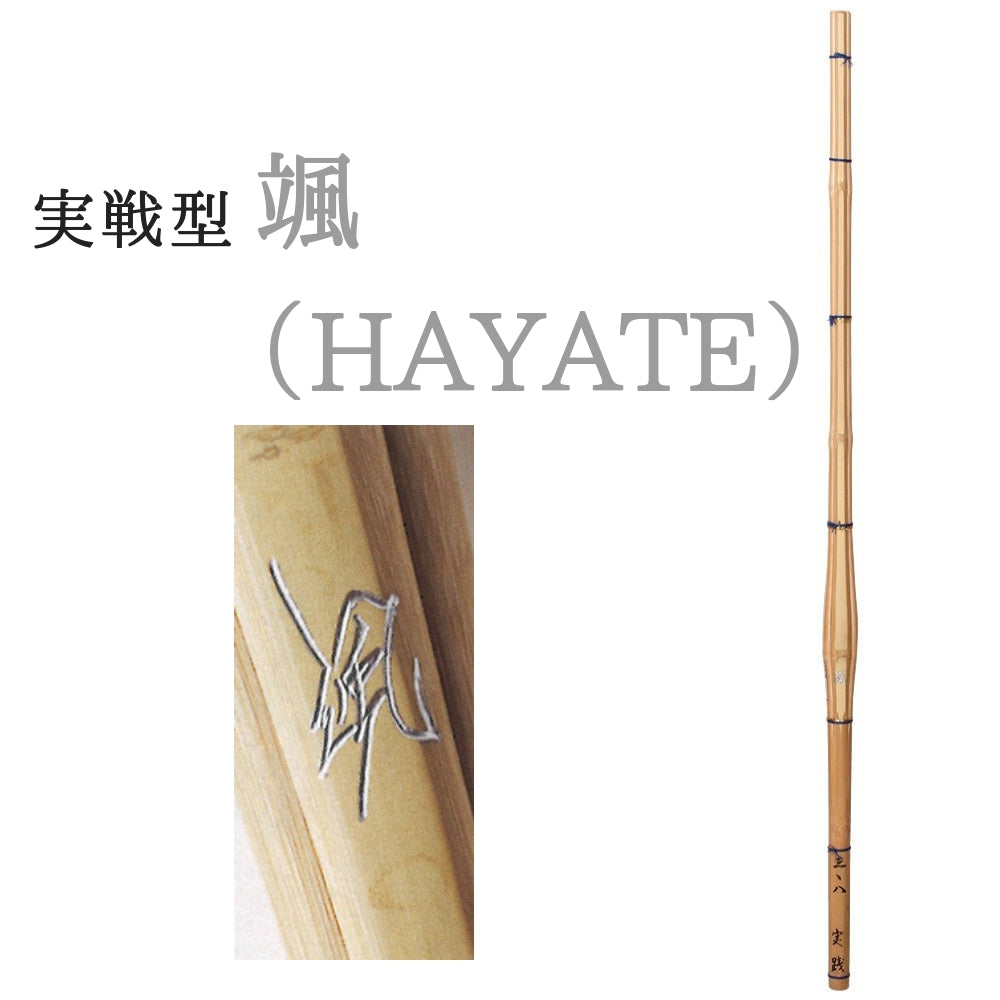
6. Precautions for storing and carrying your Shinai
Like armor, bamboo swords are susceptible to the effects of humidity and dryness.
In places with high humidity, mold will grow on the leather handle , and if it is too dry, the bamboo will crack easily.
The ideal storage location is one with little temperature change and good ventilation.
Also, when carrying it, be sure to put it in a bamboo sword bag to avoid it being caught in police baggage inspections .

7. How to make your precious kendo equipment last longer
No matter how inexpensive the armor, it is an important tool that is carefully crafted one by one by a craftsman.
They can be heavy and difficult to transport, but with proper storage and daily care , they can last a long time.
Preventing odors and mold and keeping the sword clean is also a sign of good manners as a swordsman.
Please take good care of your own armor and continue to practice with confidence.
Summary: Tips for storing kendo armor
- Place in a well-ventilated shaded area
- The mask is dried with the metal side facing up.
- It's best if you can hang it to dry.
- Avoid storing it in the trunk of your car
- When using bamboo swords, be mindful of the balance between moisture and dryness