Armor Set
 面
面
 Kote
Kote
 胴
胴
 垂
垂
 Dogi
Dogi
 袴
袴
 bamboo sword
 wooden sword
 armor bag
 Bamboo sword bag
 Small items
 gift
gift
 Books/DVDs
 cleaning
 Armor repair
 Kendo mask
 Iaido
Iaido
 Japanese swords and art swords
 Mitsuboshi
 Tozando
 Matsukan
 Japan Kendo Equipment Factory
 West Japan Martial Arts Equipment
 Glory Martial Arts Equipment
 Nobutake
 Busougi
 Hakataya
 Shokodo
 Flag Ito
 メールお問い合わせ
 LINEお問い合わせ


 Value Set
 Armor Set
 面
面
 Kote
Kote
 胴
胴
 垂
垂
 Dogi
Dogi
 袴
袴
 bamboo sword
 wooden sword
 armor bag
 Bamboo sword bag
 Small items
 gift
gift
 Books/DVDs
 cleaning
 Armor repair
 Kendo mask
 Outlet
 Iaido
Iaido
 Japanese swords and art swords
 Mitsuboshi
 Tozando
 Matsukan
 Japan Kendo Equipment Factory
 West Japan Martial Arts Equipment
 Glory Martial Arts Equipment
 Nobutake
 Taiyo Industry
 Busougi
 Hakataya
 Shokodo
 Flag Ito
 Interviews Useful Articles
 Size Measurement Guide
 User Guide
 GLOBAL SHIPPING GUIDANCE
 Frequently Asked Questions Q&A
 Company Profile
Introduction
This is a guide on how to choose kendo armor for beginners and those just starting out in kendo.
When choosing protective gear for those who have no experience in kendo or for children who are just starting out, it can be difficult to know what to choose.
Even when listening to the armor shop's explanation, there are many words that are new to me, making it difficult to immediately understand the advantages and disadvantages.
Here, we would like you to gain basic knowledge that will enable you to make your own decisions.
table of contents
What is Kendo Armor?
Type of protective gear (target audience)
Types of armor (materials and construction)
How to choose the right size
Summary of how to choose
|What is Kendo Armor?

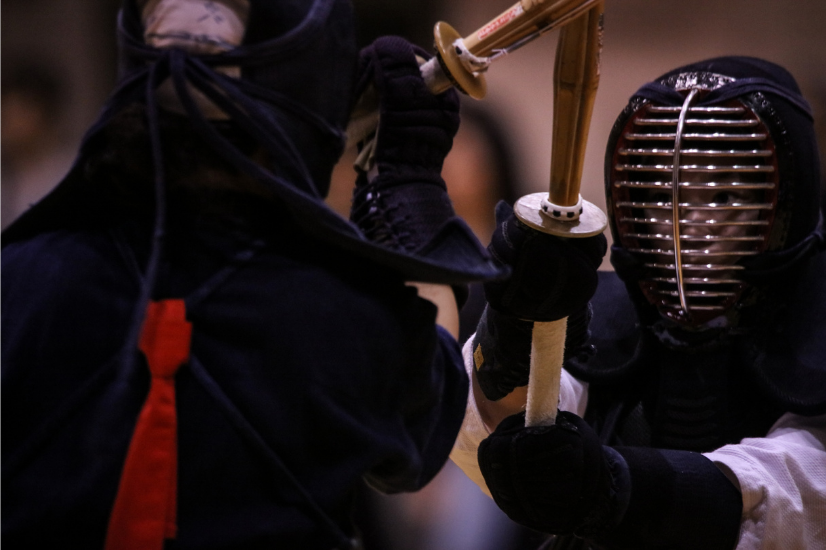
Kendo armor consists of four pieces: men, kote, tare, and do.
When sold at martial arts equipment stores or shops, these are often sold together as a "armor set," or each piece is sold individually.
The primary purpose of protective gear is to protect your body from your opponent's strikes, so it's important to wear protective gear that has good shock absorption and is the right size.
Also, not wearing the right size protective gear can hinder the improvement of your kendo skills, so you should be extremely careful.
(1) Surface
The mask protects the head, face, chin, and shoulders. The front of the face is protected by a mengane.
The area between the sixth and seventh jaws from the top of the mengane (between the fifth and sixth jaws for boys) is called the monomi, and since it is wider than the other areas and has a good field of vision, you should align your eyes from there. When checking the size, be sure to remember to check that the monomi and your line of sight are properly aligned.
The men cushion that covers the top of your head is the part that receives the most blows from your opponent, so it is best to choose a men that is shock-absorbent and durable.
(2) Kote
The kote protects the hands and forearms. In kendo, the kote strike is the one that is most likely to cause pain.
Beginners, in particular, are not used to the pain, so it is best not to choose thin, light kote. However, kote that are too hard or heavy are difficult to use, so it is necessary to determine the balance. It is often written on the product about the concept behind it, whether it is suitable for practice or competition, so be sure not to overlook this.
(3) Tare
The tare protects the waist and private parts. Unlike other protective gear, this part is not directly exposed to effective strikes, so the entire garment is made of sashiko and fabric, making it soft and easy to move in. It is made up of a tare belt at the top, three large tare pieces, and two small tare pieces.
A cloth or synthetic leather name tag indicating the name and organization to which the wearer belongs is attached to the central otare. This can be purchased separately at any shop. Each organization often has its own rules for making the tag, so we recommend checking with your instructor.
(4) Torso
The torso protects the chest, stomach, and armpits and is generally made of high-strength plastic.
Bamboo dos made from bamboo were common in the past, but nowadays they are mainly preferred by advanced players, so beginners should choose reinforced resin dos or Yamato dos, which are light, durable, and easy to handle.
|Type of protective gear (target audience)
It will be easier to understand if you understand that protective gear is divided into two main categories: for elementary school students (boys) and for junior high school students and above, and for the general public.
Depending on the manufacturer, sizes are often written as SS, S, M, L, or XL, with SS and S generally being for elementary school students, and M and above being for junior high school students and above.
However, since the size of armor should not be chosen according to age, but rather according to body size, it is not necessary to strictly follow the above classification, but it is a good idea to keep it in mind as a reference.
Basically, it is unisex, so there is no distinction between men's and women's.
It is important to note that if you have a particular body type (tall, extremely obese, or a very large head), it may be difficult to find a ready-made product. You will either need to find a suitable product from a manufacturer, or you will need to have a custom-made product made, which can take several months.
|Types of Armor (Materials and Construction)
<Machine stitching and hand stitching>
Machine stitching is armor made using a mechanical sewing machine. Hand stitching , as the name suggests, is armor sewn by hand by a craftsman. Machine stitching is suitable for beginners.
~Features of machine stitching~
・Many are cheaper than hand stitching
・It can be used by a wide range of people, from elementary school students to high school and university students, and is suitable for not only regular practice but also matches.
- Compared to hand stitching, it is softer and lighter, making it easier to move around
<What does ◯◯mm mean?>
Most armor products have names such as 6mm, 8mm, etc. written on the product name and description. This refers to the stitch width of the thread.
Generally, narrow stitch widths (up to 2mm) tend to make the fabric stiffer, increasing the durability and strength of the armor. Conversely, wider stitch widths (8mm and above) make the fabric softer, more flexible, and easier to move in, with better shock absorption.
When it comes to machine stitching, it is often said that 6mm stitching is the best balance, and many beginner and practice armor products tend to have a stitch width of around 6mm.
<Synthetic leather and deerskin>
Armor for beginners or armor recommended for beginners rarely uses deerskin, but synthetic leather instead.
Synthetic leather is used for the chin area of the mask and the edge of each piece of armor. Armor made with deerskin is expensive, with armor sets often costing over 100,000 yen. Beginners should start by trying out cheaper armor.
The biggest advantage of deerskin is that it gives armor a high-quality texture and a luxurious feel. It also develops an attractive "flavor" as it ages.
Don't worry, just because it's synthetic leather doesn't mean it will look extremely cheap.
<New material>
Armor is generally made of cotton, but with recent improvements in materials, armor made from synthetic fibers (polyester) is becoming increasingly popular.
The reason for its popularity is that it is resistant to sweat and dirt, and is easy to care for. Cotton absorbs the sweat produced during practice, and if it is stored with dirt still attached, it will emit a foul odor. However, jersey bogu is not damaged by sweat, and can even be washed with water, so it can be kept in a comfortable condition.
Although it does not have the traditional feel or weight, it is a new style that allows you to practice kendo in a sporty and refreshing way.
|How to choose the right size
I won't go into the details, but I will give you a rough idea. When purchasing protective gear, you will need to measure your head and hands. If you are purchasing at a store, you can have the dealer measure you, but if you are ordering online, you will need to do it yourself.
And the most important thing is to get in touch with the seller.
The alignment point is
- How long do you want to use the armor you are planning to purchase?
Or, if you want to use it for as long as possible, how long will it last?
- Whether to size with growth in mind.
In addition, both parties will share the advantages and disadvantages of such cases.
(1) Face size
In most cases, measurements are taken from the chin to the top of the head, headband, and eye level.
Ready-made masks are available in 1cm increments. If you are measuring yourself, use a tailor's tape measure to measure multiple times to make sure there are no large discrepancies. While it varies depending on the manufacturer, masks are typically made to measure between 58cm and 73cm around the chin and top of the head.

(2) Kote size
In most cases, two measurements are taken: length and palm circumference. Length is from the tip of the middle finger to the top crease of the wrist. Palm circumference is the circumference of the palm, not including the thumb.
In most cases, the circumference of your palm is longer than the length. If this is not the case, please be aware that you may have measured incorrectly.

(3) Size of the body and the sash
Basically, the size is determined based on a comprehensive assessment of height, weight, waist circumference, etc.
|Summary of how to choose
When beginners choose protective gear, the key points are that it is reasonably priced (30,000 to 80,000 yen), durable, and safe .
In addition, we would like you to choose a product that is cost-effective and also looks good .
It is a good idea to exclude from your options any protective gear that is labeled as "suitable for matches and actual combat."
In any shop, quality and price tend to be proportional to some extent, but if you have an upper limit on your budget, be honest about it with the seller.
Furthermore, you may be able to get good advice by asking questions such as, "Which protective gear is appropriate for the user's age?"
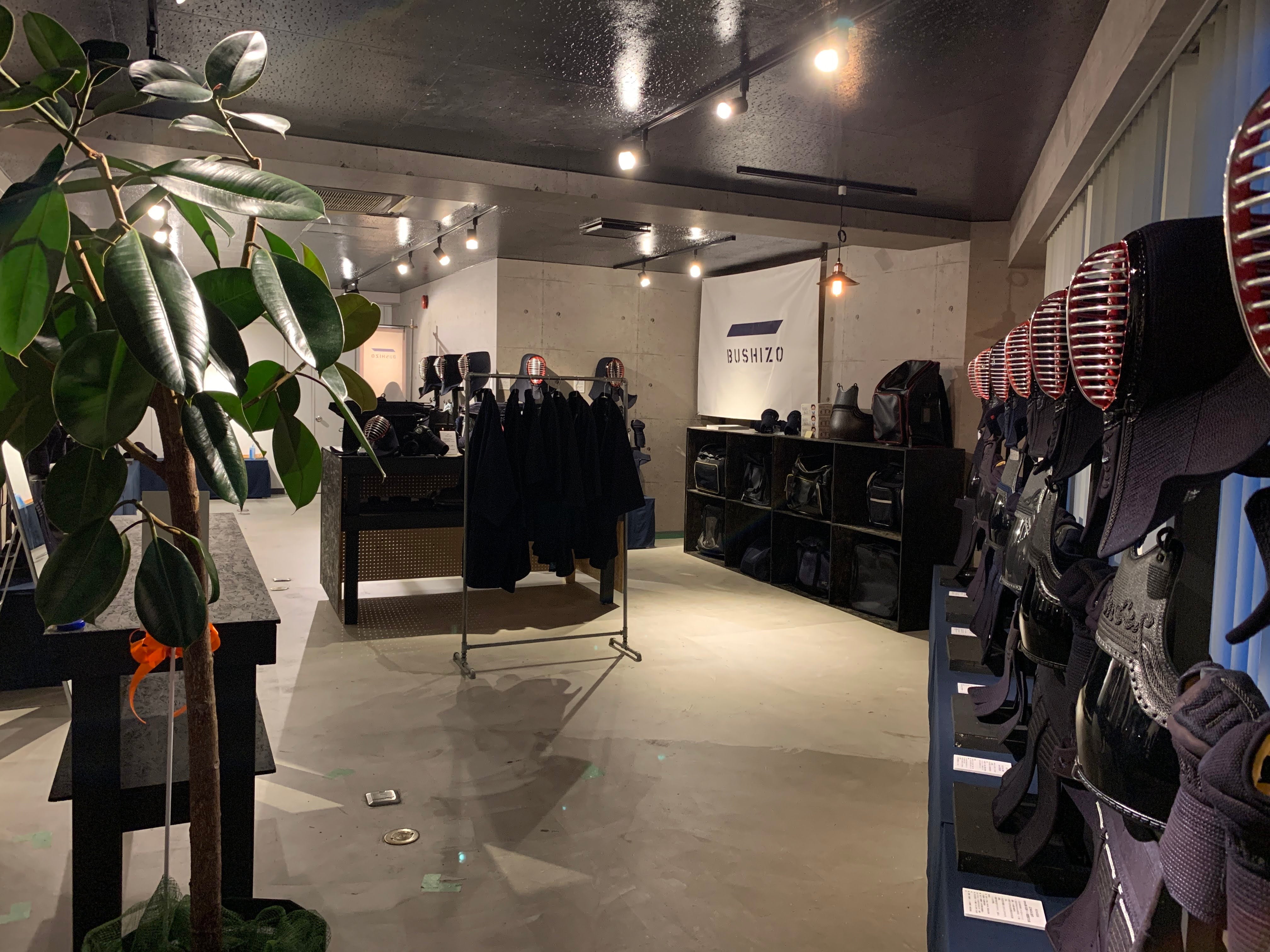
BUSHIZO offers a wide range of basic protective gear suitable for practice at reasonable prices.
If you are looking for easy-to-use protective gear that prioritizes safety, please click here.