Armor Set
 面
面
 Kote
Kote
 胴
胴
 垂
垂
 Dogi
Dogi
 袴
袴
 bamboo sword
 wooden sword
 armor bag
 Bamboo sword bag
 Small items
 gift
gift
 Books/DVDs
 cleaning
 Armor repair
 Kendo mask
 Iaido
Iaido
 Japanese swords and art swords
 Mitsuboshi
 Tozando
 Matsukan
 Japan Kendo Equipment Factory
 West Japan Martial Arts Equipment
 Glory Martial Arts Equipment
 Nobutake
 Busougi
 Hakataya
 Shokodo
 Flag Ito
 メールお問い合わせ
 LINEお問い合わせ


 Value Set
 Armor Set
 面
面
 Kote
Kote
 胴
胴
 垂
垂
 Dogi
Dogi
 袴
袴
 bamboo sword
 wooden sword
 armor bag
 Bamboo sword bag
 Small items
 gift
gift
 Books/DVDs
 cleaning
 Armor repair
 Kendo mask
 Outlet
 Iaido
Iaido
 Japanese swords and art swords
 Mitsuboshi
 Tozando
 Matsukan
 Japan Kendo Equipment Factory
 West Japan Martial Arts Equipment
 Glory Martial Arts Equipment
 Nobutake
 Taiyo Industry
 Busougi
 Hakataya
 Shokodo
 Flag Ito
 Interviews Useful Articles
 Size Measurement Guide
 User Guide
 GLOBAL SHIPPING GUIDANCE
 Frequently Asked Questions Q&A
 Company Profile

There are many reasons why people purchase bogu (protective gear), such as those who are just starting kendo, those who are resuming kendo after a long break, and those who want to purchase new equipment for competitions or practice. When considering purchasing bogu and comparing prices online, it is often difficult to know what to consider, as prices are often almost the same. So, what exactly is the market price for bogu (protective gear)? In this article, we will introduce the prices of bogu (protective gear) and what to look for when choosing.
Table of ContentsWhat is protective gear? Factors that affect its price
- How to stitch
- Stitch width
- leather
- For boys, general use
- Physical stores and online sales
- Price per item
summary
What is armor anyway?
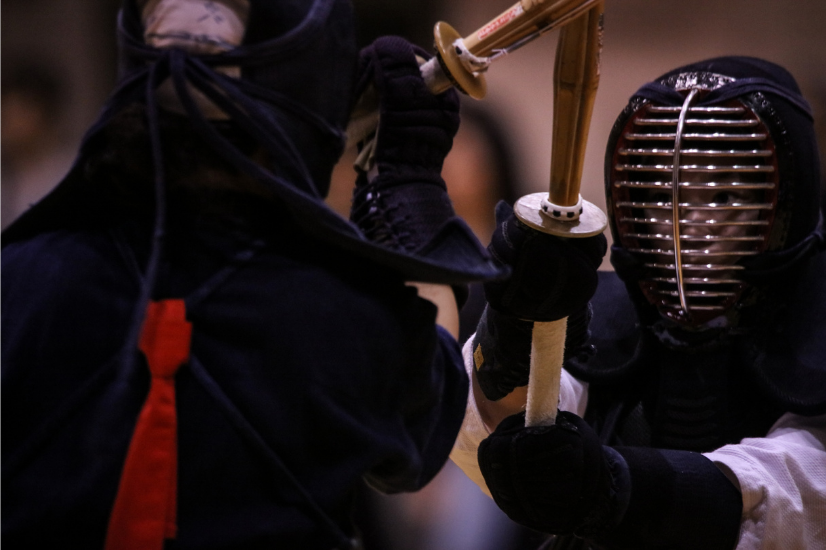
 Armor refers to four pieces of equipment: the men, kote, torso, and tare, each of which has the following role.
- surface
 It protects the head and throat. The face area is made of metal, with particular consideration given to safety. Titanium or duralumin is often used as the metal material.
- Kote
 It protects the hands and arms and is designed to block attacks from the opponent's shinai and allow you to handle your own shinai effectively.
- torso
 It protects the chest, abdomen and underarms.
- Tare
 Protects the waist and private parts. Protective gear is for protecting yourself. When choosing protective gear, price is of course important, but it is also important to understand how it works and choose the right one for you.
Factors that influence the price
 The price of a complete set of armor varies widely, and is influenced by factors such as:
1. How to stitch
 There are two methods for stitching armor futons: machine stitching and hand stitching. Hand stitching is a method of stitching by hand. Hand stitching takes time and effort, so naturally it is more expensive than machine stitching. Hand stitched armor is often used by high-ranking practitioners and for tournaments and promotion examinations. Complete sets typically cost between 200,000 and 300,000 yen, with some even costing over 800,000 yen. Machine stitching, as the name suggests, is stitched using a sewing machine. Compared to hand stitching, it is less time-consuming and more affordable. Complete sets can be purchased for around 30,000 yen. Among machine stitching methods, armor made using pitch stitching tends to be relatively expensive. Pitch stitching is characterized by a long needle foot. This creates a texture similar to hand stitching, giving the futon a soft and firm feel. Many people also feel that it reduces the impact when hit on the men.
2. Stitch width
 The stitch width is measured in units of ○ minutes ○ rin for hand stitching and ○ millimeters for machine stitching. The smaller the ○ number, the finer the stitch width and the higher the price. For example, 1 minute 5 rin is finer than 2 minutes, and 4 mm is finer than 6 mm, so the price is higher. A narrower stitch width usually means less interlining can be used, reducing the shock absorption. However, by using high-quality interlining, shock absorption can be maintained even with less interlining. A narrower stitch width also produces a more beautiful finish. However, it also makes the interlining process more difficult and requires more skill, which tends to make it more expensive. Furthermore, if the stitch width is too narrow, the stitches become denser, making it difficult to achieve softness and firmness.
3. Leather
 Leather is often used to reinforce the striking areas of armor, and this leather also affects the price. Deerskin is highly elastic, breathable, and durable, making it ideal for armor. Most expensive armor is made with deerskin. Cowhide is also used in many armors, but compared to deerskin, its leather is too dense, making it less hydrophilic and breathable, making it difficult for indigo dye to adhere well, and prone to sweat accumulation. Buffalo leather and Clarino are used in relatively inexpensive armor. While there are not many armors made with buffalo leather, it is not recommended because it is very hard and not breathable. Clarino is an artificial leather used in many armors. While it is less durable and elastic than deerskin, it does not fade and is sweat-resistant. It is suitable for beginners who do not require a high-end product and who want to wash their armor frequently.
4. For boys, general use
 It's difficult to generalize because there are differences in physical physique, but generally children wear youth protective gear until they reach elementary school, and then switch to general protective gear once they reach junior high school and above.
Boys' protective gear is often replaced as they grow, so it is mostly machine-sewn and reasonably priced. A complete set can be purchased for around 20,000 yen.
The price of general-purpose armor varies greatly depending on its purpose. If you're just starting out in kendo, or if you don't have any particular preferences and just want something that can be used for regular practice, you can purchase a full set of general-purpose armor for around 30,000 yen. On the other hand, as you gain more experience, you'll start to become more particular about your armor, and as you start to think about matches and promotion exams, you'll also start to care about the feel of your armor. As mentioned earlier, the stitching method, stitch width, and type of leather used have a big impact on the price of armor, so if you start to focus on these factors when choosing armor, the price will rise significantly.
5. Physical store or online sales?
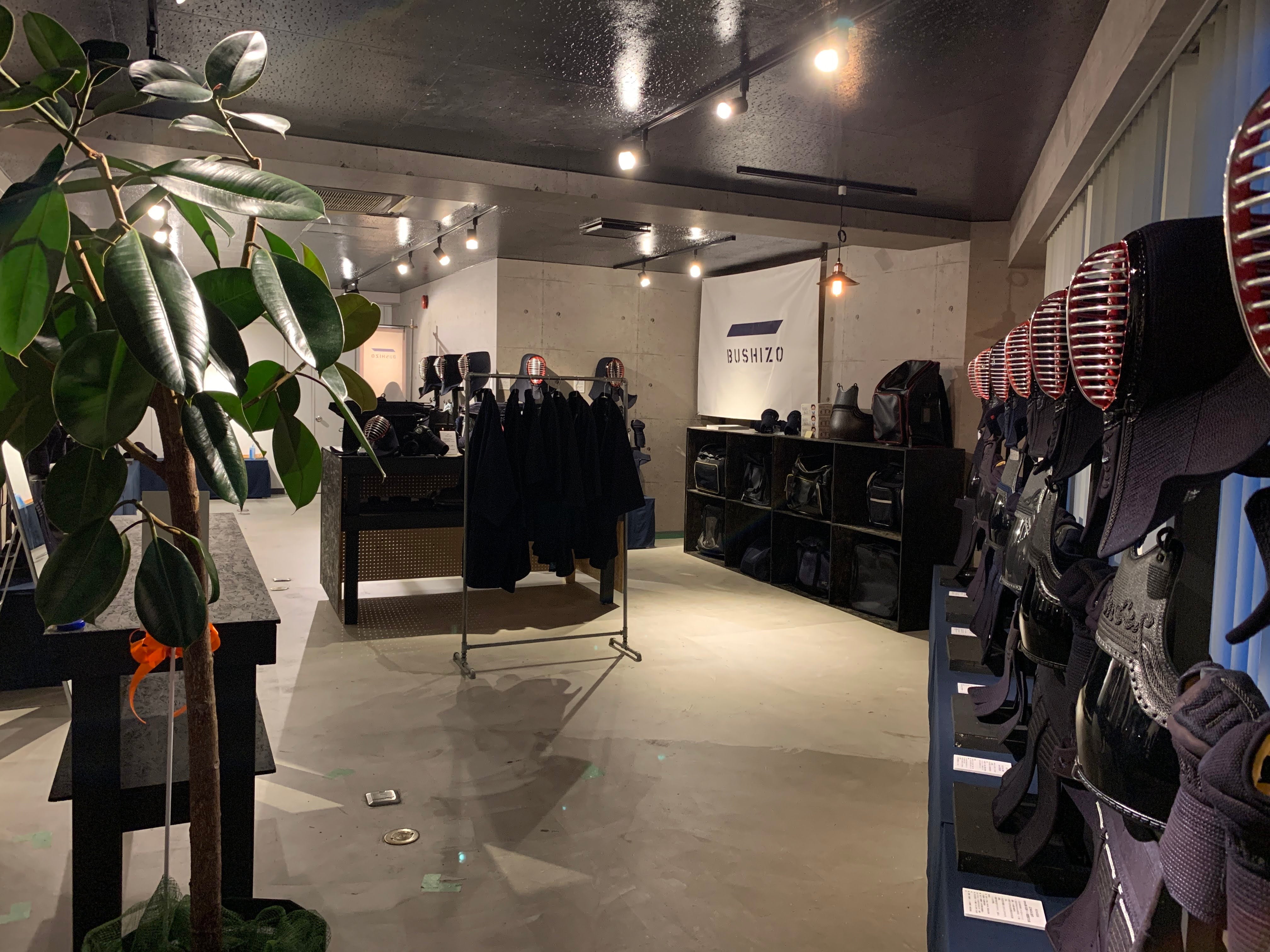
 Compared to brick-and-mortar stores, online purchases tend to be cheaper. Changes in manufacturing processes, such as the use of new materials and the relocation of production bases overseas, have led to lower prices for bogu. In addition to these trends, online sales have also made it possible to reduce operational costs and prices by improving distribution systems and narrowing down the product offerings. While brick-and-mortar stores offer the advantage of being able to try on bogu and receive advice from store staff, online purchases are recommended for those who want to compare bogu from various manufacturers and purchase at the lowest possible price. Online retailers offer many starter and introductory sets for elementary school students about to start kendo, as well as for junior and senior high school students joining a kendo club. These sets include everything you need to continue practicing kendo in addition to bogu. Ten to twenty-piece sets, including kendo uniforms, hakama, and bamboo sword bags, can be purchased for around ¥40,000 to ¥60,000. They're perfect for those who don't know where to start. Everyone has different priorities, such as wanting to consult with a physical store because it's custom-made, or wanting something inexpensive because your child started playing in a club but you don't know when they'll quit. Both physical stores and online stores have their own advantages, so use them wisely depending on the situation.
6. Price per item
So far, we have introduced the price of a complete set, but armor can also be purchased individually. There is a wide range of prices for each. Items that use rare materials or require the skilled craftsmanship of a craftsman can be considered to be more expensive. *The prices listed below are for general armor.
- surface
Machine-sewn masks cost between 15,000 and 100,000 yen. The more expensive they are, the better their functionality and durability are, and you can choose the decorations. For example, a 20,000 yen mask is pre-made and made overseas, and you can't choose the Akebono decoration, while a 100,000 yen mask is custom-made, all made in Japan, and you can choose the Akebono and chin shape. Hand-sewn masks will cost at least 50,000 yen, and high-end masks will cost around 200,000 yen.
- Kote
Machine-sewn items cost between 5,000 and 40,000 yen, while hand-sewn items cost between 20,000 and 90,000 yen. As the price goes up, differences can be seen, such as the inner lining being made from artificial leather or deerskin, and the inner lining being made from cotton or deerskin. Cheaper items tend to be practical, such as machine washable, but they lack the weightiness of hand-sewn items.
- torso
Machine-sewn versions cost between 10,000 and 40,000 yen, while hand-sewn versions cost between 30,000 and 100,000 yen. There are three main types of do: Yamato do, which is made from nylon resin; Fiber do, which is made by compressing multiple sheets of high-purity pulp fiber paper; and Bamboo do, which is made from cowhide with bamboo attached and finished with lacquer. Bamboo do is the most expensive. Bamboo do is also excellent at absorbing shock.
- Tare
Machine-stitched decorations cost between 10,000 and 80,000 yen, while hand-stitched decorations cost between 40,000 and 120,000 yen. Even with the same machine-stitched decorations, the price can vary depending on whether or not they have a forehead stitch, and the leather used for the edges. Tiered decorations range from two to eight tiers, and the more tiers there are, the more luxurious the decorations become.
summary
The basic purpose of protective gear is to protect yourself. If you are tempted by the price and end up choosing gear that doesn't fit your body, you'll be missing the point. First, try to find protective gear that fits your body properly, while also taking price into consideration.